
DÍA DEL LIBRO: CELEBRATING BOOKS, CULTURE, AND THE POWER OF STORIES
Día del Libro brings readers, writers, publishers, educators, families, artists, and cultural communities together through a shared appreciation for books and storytelling. More than a literary celebration, it reflects the continuing role of reading in education, creativity, cultural understanding, and human connection.
Through book fairs, author encounters, workshops, storytelling sessions, performances, and cultural activities, literature moves beyond the printed page and becomes a shared experience. Books are not simply displayed or discussed; they become starting points for conversation, discovery, imagination, and exchange.
Día del Libro: A Celebration Built Around Books and Reading

Books remain at the heart of Día del Libro. Although the celebration can take many forms, its central purpose remains closely connected to literature, reading, and the exchange of ideas.
Literary gatherings often bring publishers, bookstores, writers, cultural organizations, and readers into the same public space. Visitors can browse new titles, discover unfamiliar authors, join conversations, and gain a closer view of the people and institutions behind published works.
For longtime readers, the experience offers another way to engage with literature. Younger visitors, meanwhile, may encounter books in an environment that feels less formal and more closely connected to creativity, curiosity, and community.
The Cultural Meaning of Día del Libro

Día del Libro is closely associated with literature and with the enduring influence of writers whose works continue to reach readers across generations. At the same time, the occasion reflects a broader commitment to reading, publishing, access to knowledge, and cultural participation.
Its significance reaches beyond individual books or celebrated authors. Literature records experiences, preserves traditions, raises questions, and carries ideas from one generation to another.
Through stories, readers can enter lives, places, and perspectives beyond their own experience. That ability to cross time, geography, and circumstance remains one of literature’s most enduring strengths, even as the ways people read continue to evolve.
Día del Libro and Literature as a Bridge Between Cultures

One of the most meaningful dimensions of Día del Libro is its ability to place different literary traditions in conversation with one another.
In the Philippines, celebrations involving institutions such as Instituto Cervantes de Manila and the Embassy of Spain in the Philippines have provided opportunities to explore connections between Spain and the Philippines through literature, language, and the arts.
Filipino writers, publishers, educators, artists, and readers also bring their own experiences into these gatherings. The result is more than an introduction to another literary tradition. It becomes a meeting point where international influences can exist alongside contemporary Philippine voices and stories.
Book Fairs Bring Readers and Publishers Together
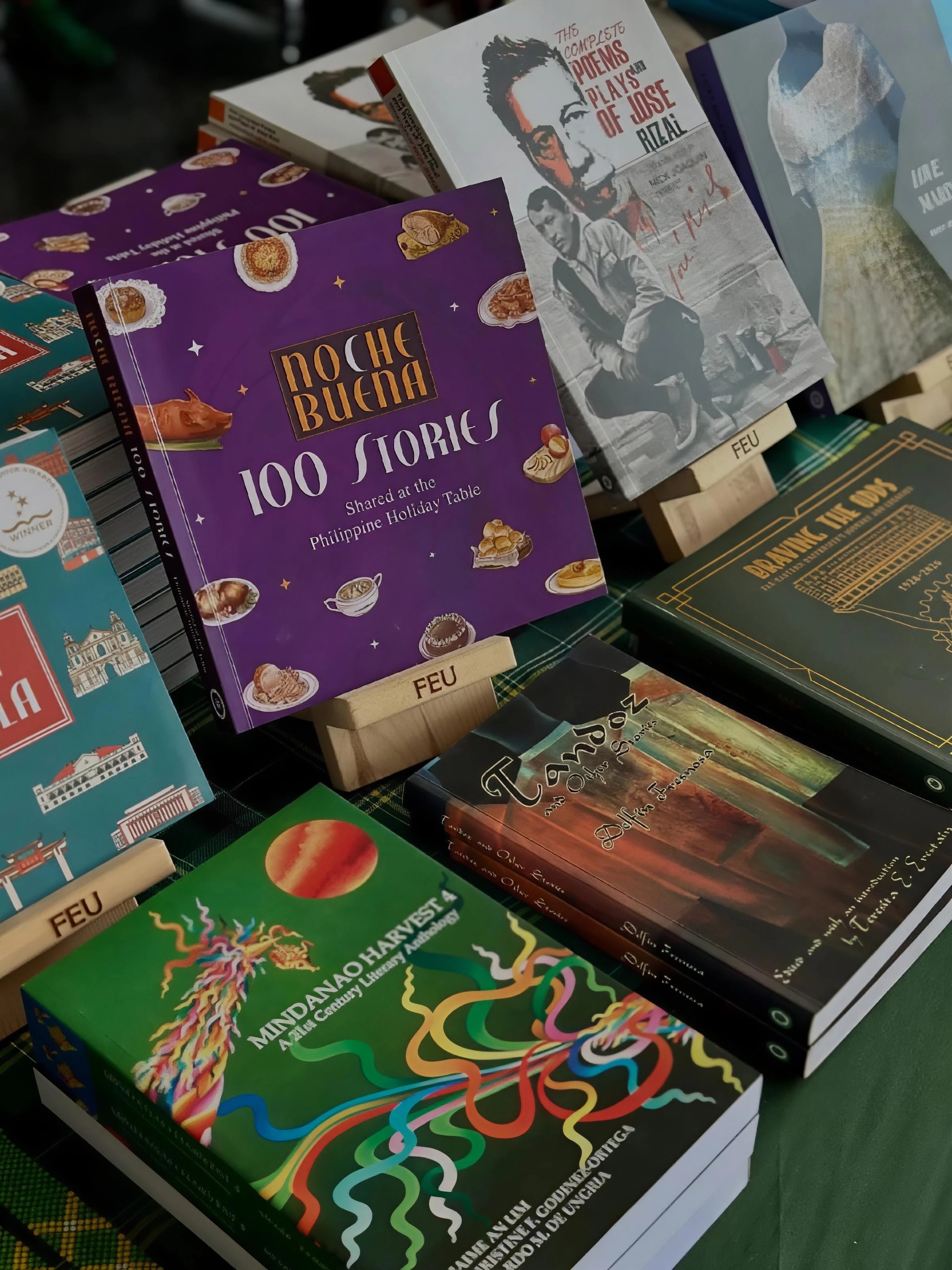
Book fairs are among the most recognizable features of literary celebrations. Publishers, independent presses, bookstores, literary groups, and authors use these gatherings to introduce books directly to the public.
Readers can explore fiction, nonfiction, history, children’s literature, education, poetry, culture, and the arts. Along the way, they may encounter writers, subjects, or publishing houses they had not previously known.
That direct relationship matters. Instead of encountering literature only as a finished product on a shelf, readers are given a glimpse of the broader community responsible for developing, producing, presenting, and sustaining books.
Experiences Commonly Found at Día del Libro
- Book fairs and publishing exhibits
- Author meetings and book signings
- Literary conversations and discussions
- Storytelling sessions for children
- Creative writing activities
- Language and cultural programs
- Arts and crafts workshops
- Poetry and spoken-word performances
- Music and cultural presentations
- Educational activities for students and families
Don Quixote and the Literary Legacy of Miguel de Cervantes
The literary legacy of Miguel de Cervantes holds an important place in many Día del Libro celebrations. His novel Don Quixote de la Mancha remains one of the most widely recognized works of Spanish literature and continues to be translated, studied, interpreted, and read around the world.
That enduring influence also provides a bridge between classic literature and contemporary audiences. Rather than presenting the work solely as a historical text, cultural and educational activities can give readers new ways to interact with its language, themes, and literary significance.
Escribe el Quijote and Participatory Literature
One example is Escribe el Quijote, an activity in which participants contribute by handwriting passages from Don Quixote.
Through the act of writing, readers become participants rather than observers. Copying a passage creates a slower, more deliberate encounter with the text and encourages attention to its language and literary history.
For younger audiences in particular, this form of participation can make classic literature feel more immediate. Instead of learning about an important work only through explanation, they are given an opportunity to engage with it directly.
Encouraging Children to Discover the Joy of Reading
Children and young readers form an important part of literary celebrations. Storytelling sessions, art workshops, educational exhibits, creative exercises, and family activities introduce books in ways that feel accessible and engaging.
Through these experiences, children can begin to understand that reading extends beyond classroom requirements. Books can also be sources of imagination, entertainment, curiosity, discovery, and self-expression.
Parents and educators contribute to that experience as well. When adults participate alongside children, reading becomes something shared rather than an activity carried out in isolation.
Over time, those moments can help build a more natural relationship with books, particularly when young readers are given the freedom to explore subjects and stories that genuinely interest them.
Authors and Readers Meet Beyond the Page
Literary gatherings also create opportunities for readers to meet the people behind the books they encounter.
Through signings, discussions, interviews, and informal conversations, audiences can learn more about how stories develop from ideas into completed works. For aspiring writers, such encounters can offer a more realistic understanding of writing as both a creative practice and a discipline.
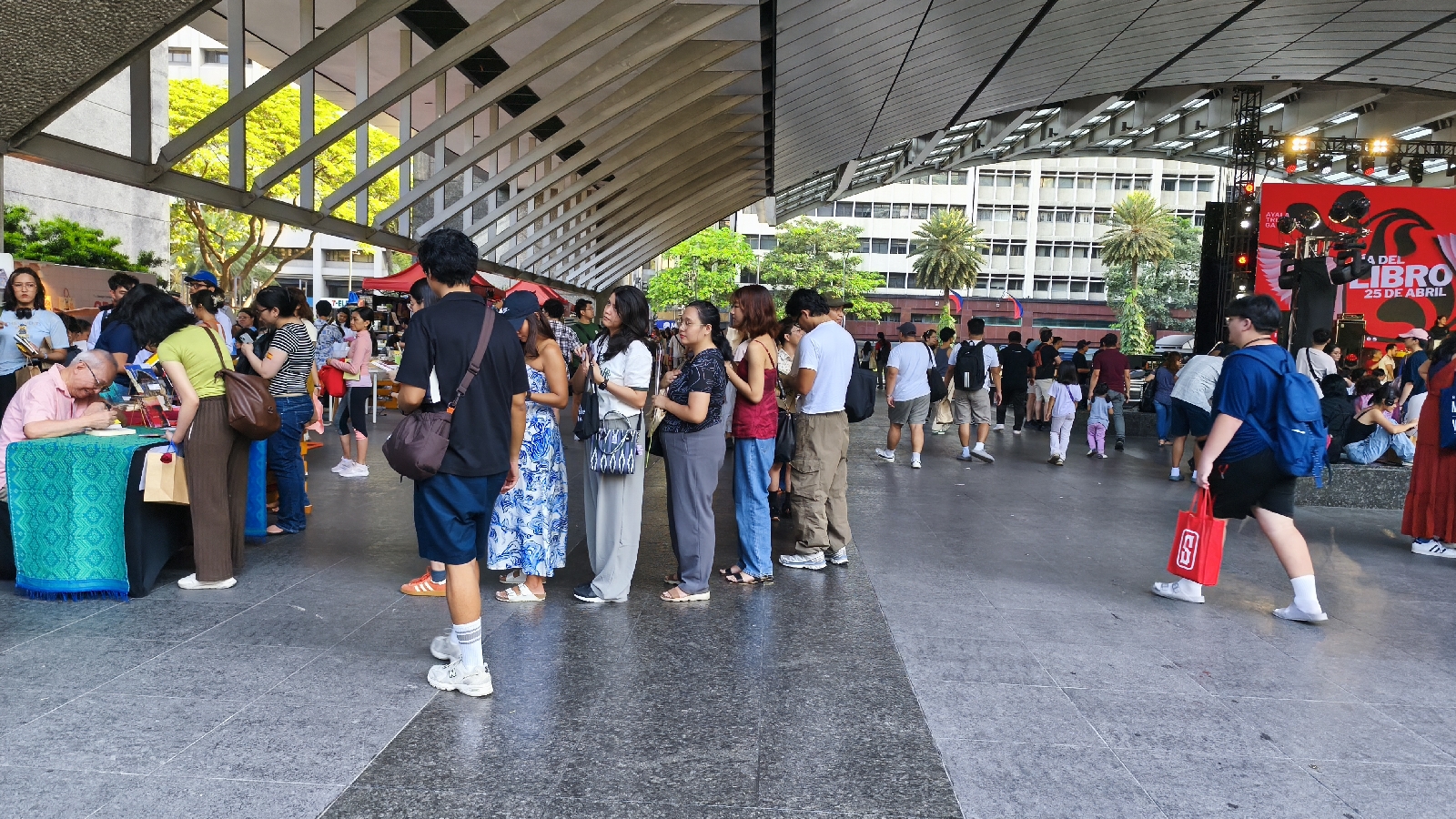
The interaction can also change the relationship between reader and author. A name printed on a cover becomes connected to a person with a process, perspective, and body of experience behind the work.
Authors, in turn, meet the readers who discuss, recommend, interpret, and support their books. That exchange helps reinforce literature as a living conversation rather than a one-way form of communication.
Supporting Filipino Writers and Philippine Literature
Literary festivals can play an important role in strengthening support for Filipino authors and publishers by giving local work greater visibility.
These gatherings allow readers to discover stories rooted in Philippine experiences, communities, languages, histories, and identities. At the same time, writers gain opportunities to introduce their work to audiences beyond their established readership.
The presence of publishers, independent writers, educators, booksellers, and literary organizations also shows that Philippine literature is sustained by a broad creative network rather than by authors alone.
Supporting that network helps preserve stories that reflect the country while creating space for emerging writers, new genres, and perspectives that might otherwise struggle to reach wider audiences.
Readers can also explore more stories about people, creativity, culture, and communities through Global People Magazine.
More Than Books: Art, Music, and Creative Expression
Literary celebrations may begin with books, but their connection to creativity often extends well beyond the written word.
Music, poetry, dance, visual art, performance, traditional crafts, and cultural presentations can complement literary activities. Rather than competing with literature, these forms broaden the ways stories and ideas are experienced.
A narrative may begin in a novel, take on a new life through performance, inspire a piece of music, or become the subject of visual interpretation. In that sense, literature belongs to a wider creative landscape rather than standing apart from it.
This broader approach can also welcome people who may not initially identify themselves as regular readers but who connect with storytelling through another artistic form.
Día del Libro Connects Communities Through Stories
Reading is often a personal experience, yet books can also create community.
Students, educators, families, writers, artists, publishers, and casual visitors may enter the same space with very different interests. Once there, stories provide a point of connection.
A reader may discover an unfamiliar writer. A child may find a book that holds their attention. An aspiring author may speak with someone working in publishing, while a family may discover a new way to bring reading into everyday life.
Individually, these encounters may appear small. Taken together, however, they help explain why literary gatherings continue to attract communities even as entertainment, information, and communication increasingly move online.
Why Reading Still Matters in a Digital World
Technology has transformed how people communicate, learn, and encounter stories. Books now exist alongside digital publications, audiobooks, websites, social platforms, streaming services, and electronic devices.
Even so, the fundamental value of reading has not disappeared.
Reading encourages concentration, imagination, curiosity, and reflection. It also gives people time to engage with ideas at their own pace, revisit difficult passages, and consider perspectives beyond their immediate surroundings.

Printed and digital formats therefore do not need to be treated as opposites. Both can contribute to a wider reading culture in which people have more ways to discover, access, and engage with stories.
The Role of Publishers in Keeping Stories Alive
Behind every published book is a network of writers, editors, designers, publishers, booksellers, educators, librarians, and readers. Literary celebrations help make that wider ecosystem more visible.
Publishers transform manuscripts into finished works and help connect writers with audiences. Independent presses and smaller publishing organizations are equally valuable because they often create space for specialized subjects, experimental work, regional stories, and emerging voices.
Book fairs give these organizations direct contact with readers. Just as importantly, they allow the public to see publishing as a collaborative process shaped by many people working behind the scenes.
Día del Libro and Lifelong Learning
Reading does not end with formal education. Books continue to offer opportunities for learning throughout a person’s life.
They introduce unfamiliar subjects, challenge assumptions, preserve knowledge, develop imagination, and encourage reflection on human experience. For that reason, literary celebrations are not limited to one age group or one kind of reader.
A child discovering picture books, a student encountering classic literature, a professional exploring a new field, and an adult returning to a favorite novel all participate in the same broader culture of reading.
Día del Libro gives those different experiences a shared public space.
Día del Libro Celebrates the People Behind Every Story
Ultimately, Día del Libro is not only about books as physical objects. It is also about the people who write them, edit them, publish them, teach them, preserve them, recommend them, and read them.
Every book represents an exchange between a storyteller and an audience. Through that exchange, ideas and experiences can travel across geographical boundaries, languages, cultures, and generations.
That connection gives literary culture much of its lasting value. A story created in one place and time can continue to reach people living in entirely different circumstances.
The Enduring Power of Stories
Stories have accompanied societies for generations, even as the ways people create and share them have changed.
They preserve memory, communicate knowledge, entertain audiences, explore difficult questions, and help people understand experiences beyond their own.
Día del Libro celebrates that enduring relationship between people and stories. Whether a story is discovered in a printed book, read on a screen, heard during a storytelling session, or shared between generations, its ability to create connection remains significant.
Books carry stories. Stories carry ideas. And ideas can connect people across cultures and generations.
Día del Libro and the Continuing Culture of Reading
As reading habits evolve, Día del Libro offers a reminder that literature remains part of everyday cultural life.
By bringing together readers, writers, publishers, educators, artists, children, families, and communities, the celebration keeps books visible while creating opportunities for discovery, learning, and conversation.
More importantly, it shows that reading is not confined to schools, libraries, or bookstores. It can be a lifelong way of exploring ideas, understanding other people, preserving culture, and seeing the world through perspectives beyond one’s own.
Formats may change, technologies may evolve, and new ways of telling stories will continue to emerge. Yet the human need to create, share, and understand stories remains.
Read. Discover. Imagine. Create. Share the stories that connect us.