

.jpg)
Vladimir Putin has spent more than two decades at the center of Russian political life. His presidency has shaped government institutions, economic priorities, military policy and diplomatic relationships. Decisions made during his years in power have carried consequences well beyond the country’s borders.
Following the Soviet Union’s collapse, Russia faced economic uncertainty and profound institutional change. Public finances eventually recovered, federal authority expanded and presidential power became more concentrated. Greater political continuity appealed to those who remembered the instability of the 1990s, but critics questioned the effects on democratic institutions and civil liberties.
Military interventions and international disputes have defined another dimension of his leadership. Moscow’s annexation of Crimea in 2014 and its full-scale invasion of Ukraine in 2022 transformed relations with Western governments. As economic sanctions expanded, diplomatic tensions intensified and European security arrangements came under renewed scrutiny.
Putin’s political career reflects a larger transformation in national governance and international standing. Understanding his influence involves examining the institutions he helped shape, the policies adopted during his presidency and their consequences for Russian society and the wider world.
From Soviet Institutions to National Leadership
Born on October 7, 1952, in Leningrad, Soviet Union, Putin grew up in the city now known as Saint Petersburg. His childhood unfolded during the Cold War, when Soviet institutions exercised considerable influence over education, employment and public life.
After earning a law degree from Leningrad State University in 1975, he joined the Committee for State Security. Known as the KGB, the organization handled intelligence and state security operations. His career included an assignment in Dresden, East Germany, during the final years of the Cold War.
Vladimir Putin left active intelligence service in 1991 as the Soviet political system approached its collapse. With government institutions undergoing fundamental change, he moved into municipal administration in Saint Petersburg.
Under Mayor Anatoly Sobchak, he handled external relations and administrative responsibilities. The position provided experience in public service while local institutions adjusted to economic reforms and new political arrangements.
His move to Moscow in 1996 opened opportunities within the federal administration of President Boris Yeltsin. Senior appointments followed as he advanced through government positions. By 1998, he had become director of the Federal Security Service. He also served as secretary of Russia’s Security Council in 1999.
Yeltsin named him prime minister in August 1999. When the president resigned on December 31, Putin assumed office as acting head of state. His victory in the March 2000 presidential election marked the beginning of a new period in Russian leadership.
Further historical information about his career appears in Encyclopaedia Britannica’s account of his political life.
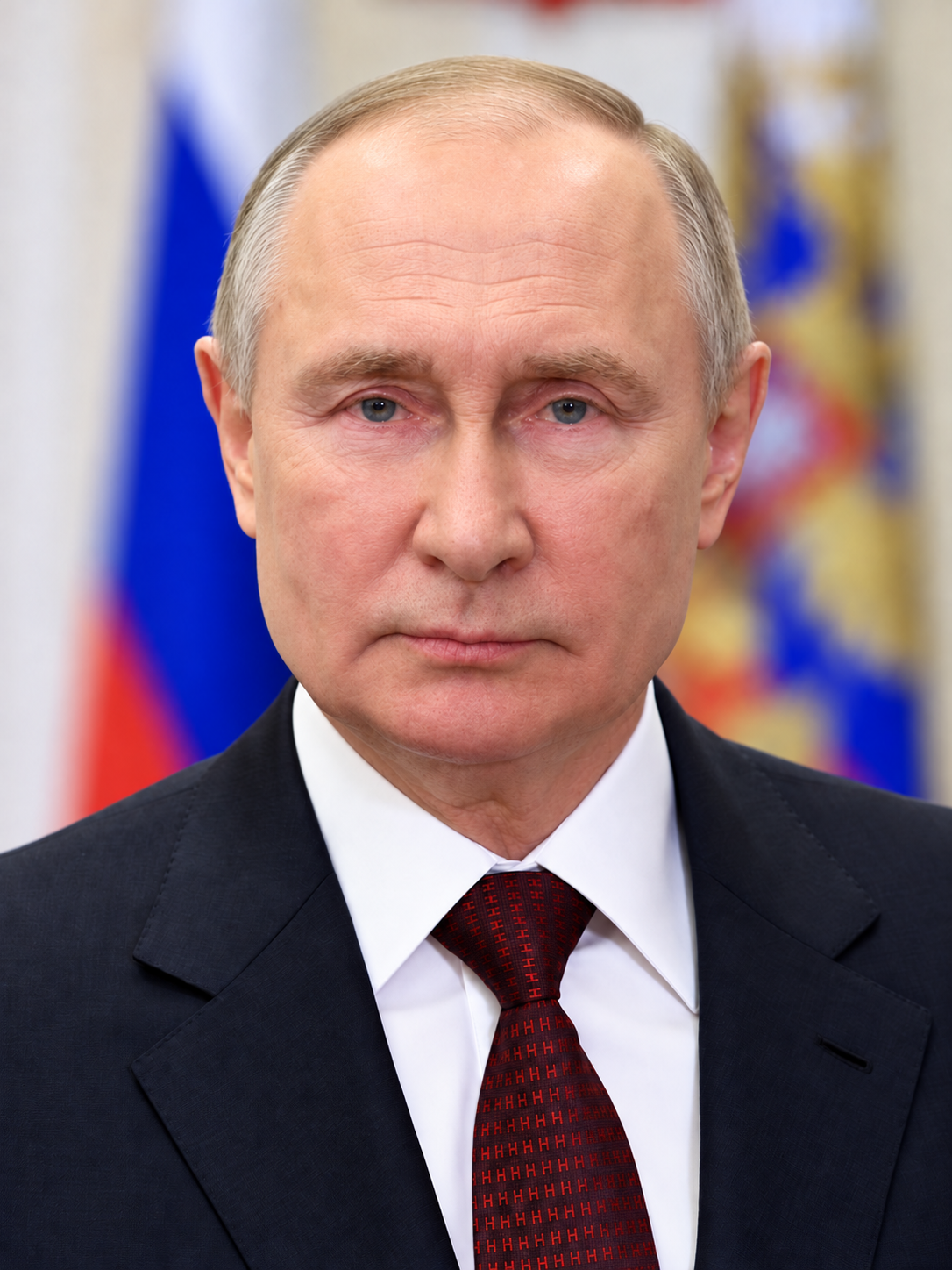
Vladimir Putin and the Consolidation of Federal Power
Serious economic and institutional challenges confronted the government at the beginning of Putin’s presidency. Years of financial instability had affected employment, public services and confidence in national institutions. The 1998 financial crisis exposed further weaknesses in the country’s economic system.
Restoring administrative order became a priority for the new leadership. Federal agencies received greater attention as Moscow sought closer coordination with regional authorities. Central oversight gained importance within government operations.
Seven federal districts were established in 2000, each overseen by a presidential representative. Their responsibilities included monitoring the implementation of national policies and coordinating administrative matters across regional governments.
Reforms extended into taxation, public finance and government institutions. Greater federal supervision gave the presidency more influence over decisions previously handled by regional administrations. Although the changes strengthened administrative coordination, concerns emerged about local autonomy and institutional independence.
Executive authority became more concentrated as Moscow strengthened its position. Regional officials faced closer supervision, while major policy decisions increasingly depended on the federal government. The governing structure gradually placed greater responsibility in the presidency.
Political allies regarded centralization as a response to the uncertainty of the previous decade. Independent observers questioned whether stronger executive control had reduced accountability and regional decision-making powers. Those contrasting interpretations remain part of the historical examination of the administration’s early reforms.
Economic Recovery and the Role of Natural Resources
Economic growth during Vladimir Putin’s early presidential terms improved public finances and household living conditions. Rising international oil and natural gas prices increased government revenue, creating opportunities for investment and national development.
Household incomes rose during much of the early 2000s as financial conditions became more stable. Public spending also became more manageable, helping restore confidence after the economic difficulties of the post-Soviet transition.
Domestic policies contributed to fiscal administration and government reform, although favorable commodity prices played a substantial role in the recovery. Growing international demand strengthened the country’s position as a major energy supplier.
Oil and natural gas exports provided income while supporting commercial relationships with overseas partners. Energy agreements connected Russian companies with international markets and became an important feature of Moscow’s economic diplomacy.
Dependence on natural resources created vulnerabilities. When commodity prices declined or global demand weakened, government revenue and investment could come under pressure. These risks remained important considerations for national economic planning.
Efforts to broaden the economy included manufacturing, infrastructure modernization and technological development. Progress required investment, productivity and access to international markets. Reducing reliance on energy exports remained difficult because natural resources continued to account for a substantial share of export earnings.
The Presidency of Vladimir Putin: Power and Constitutional Change
Constitutional provisions have played an important role in defining presidential authority. Electoral arrangements, term limits and institutional responsibilities shaped the country’s political leadership. Amendments to these rules influenced Putin’s ability to remain in national office.
Under the provisions then in effect, he could not seek a third consecutive presidential term in 2008. Dmitry Medvedev succeeded him, while Putin became prime minister. Although the presidency had changed hands, he retained a prominent position in government.
During Medvedev’s presidency, the global financial crisis placed considerable pressure on the economy. Economic management, regional security and public administration remained central responsibilities. Putin continued to exercise substantial political influence.
A return to the presidency followed the March 2012 election. Public demonstrations and allegations of electoral irregularities accompanied the political transition, renewing questions about electoral competition and accountability.
Another presidential term began in 2018. Constitutional amendments approved in 2020 reset the application of previous presidential terms for future eligibility. The changes allowed Putin to seek additional terms despite his earlier years in office.
Vladimir Putin secured a fifth presidential term in the March 2024 election and began serving it in May. Restrictions affecting opposition participation and electoral competition attracted criticism from international observers and foreign governments.
Changes to the constitutional framework reinforced the presidency’s position within national politics. Formal legal provisions continued to define government institutions, but their practical independence remained a subject of public and international scrutiny.
Political Institutions, Civil Liberties and Public Debate
Political developments under Putin’s administration have drawn scrutiny from researchers, human rights organizations and international observers. Their work examines electoral practices, freedom of expression, civic participation and the independence of public institutions.
Among the government’s political allies, continuity and national security are often presented as important achievements. Stronger central administration is associated with restoring state authority after the post-Soviet transition. Institutional stability remains a prominent theme in official policy.
Restrictions affecting opposition groups, independent journalists and civic organizations have raised concerns about political participation. Legal measures governing public assembly have narrowed opportunities for civic involvement outside established institutions.
Independent reporting has faced mounting pressure as state influence over major information outlets expanded. Journalists and media organizations have encountered restrictions affecting their ability to report on public affairs. Press freedom groups have documented the consequences for access to independent news.
Freedom House’s assessment of Russia documents limitations involving political rights and civil liberties. The report also examines electoral conditions, freedom of expression and the operation of civic institutions.
Questions of accountability extend beyond the administration of government agencies. Citizens need access to independent information to examine public decisions, while opportunities for participation affect how institutions function.
National security and political stability occupy prominent positions in official policy. Independent assessments examine restrictions affecting public participation and civil liberties under that governing approach. The resulting debate concerns the balance between state authority and political freedoms.
Vladimir Putin and Russia’s International Relationships
Diplomatic engagement has remained an important component of Moscow’s foreign policy. Energy cooperation, commercial agreements and security negotiations connect the country with governments across several regions.
Relations with the United States and European nations have experienced periods of cooperation and considerable disagreement. NATO enlargement, military strategy and regional security remain contentious issues. Diplomatic discussions have continued in selected areas even as these disputes affected broader relations.
During Vladimir Putin’s presidency, cooperation with China expanded through trade, energy agreements and strategic dialogue. Beijing became an increasingly important economic partner as Moscow sought alternatives to traditional Western markets.
India has maintained longstanding diplomatic and commercial relationships with Russia. Defense cooperation and energy trade remain important elements of the partnership, although both governments pursue their own international priorities.
Participation in BRICS offers another platform for engagement with major economies. Discussions within the grouping include trade, development and financial cooperation. Its members also examine opportunities to strengthen their participation in global economic affairs.
Across the Middle East and Africa, Moscow has pursued relationships involving investment, energy, defense and diplomatic cooperation. These partnerships also reflect regional interests, political circumstances and the priorities of participating governments.
Permanent membership in the United Nations Security Council gives Russia an important position in international diplomacy. Its energy resources and military capabilities reinforce that role. Yet disputes over sovereignty and armed conflict have complicated relations with numerous governments.
Regional Conflicts and the Use of Military Power
National defense has occupied a central position in government policy during Vladimir Putin’s years in leadership. Military modernization, strategic planning and regional security have influenced official priorities and international relationships.
In August 2008, Russian forces fought a war with Georgia during Dmitry Medvedev’s presidency. Putin was serving as prime minister at the time. The conflict intensified disagreements over territorial issues and security arrangements in the region.
Moscow intervened militarily in Syria in 2015, supporting the government of Bashar al-Assad. The operation expanded Russian involvement in Middle Eastern affairs and demonstrated its willingness to deploy forces beyond the former Soviet region.
Events in Ukraine marked a major turning point in 2014. Russian forces seized control of Crimea before Moscow annexed the peninsula. Ukraine and most of the international community rejected the annexation and continued to recognize Crimea as Ukrainian territory.
Western governments responded with sanctions targeting selected financial institutions, businesses and individuals. Diplomatic relations deteriorated as disputes over territorial sovereignty and regional security deepened.
On February 24, 2022, Vladimir Putin ordered a full-scale invasion of Ukraine. Russian authorities cited security concerns involving NATO and Ukraine’s international alignment. Kyiv rejected those justifications and defended its sovereignty and territorial integrity.
Military operations caused extensive destruction and civilian suffering. Homes, infrastructure and essential public services sustained serious damage, while millions of Ukrainians were displaced or sought safety abroad.
European governments and other international partners introduced further economic sanctions and adjusted defense policies. The invasion intensified scrutiny of military conduct, particularly regarding civilian protection and international humanitarian law.
International Law and the Consequences of War
Armed conflict in Ukraine has brought renewed international attention to territorial sovereignty and the protection of civilians. Humanitarian conditions, displacement and alleged violations of international law have become subjects of legal examination.
In March 2023, the International Criminal Court issued an arrest warrant for Vladimir Putin. The allegations concern war crimes involving the unlawful deportation and transfer of Ukrainian children from occupied territories.
An arrest warrant does not constitute a criminal conviction. Russian authorities have rejected the court’s jurisdiction and disputed the allegations. The proceedings have drawn attention to accountability for alleged actions committed during the conflict.
Human rights organizations and international institutions have examined the effects of military operations on civilians. Their work covers displacement, access to essential services and the treatment of children in affected communities.
Questions surrounding international humanitarian law extend beyond relations between governments. They also involve legal obligations concerning the conduct of armed conflict and the treatment of civilian populations.
Diplomatic relationships have changed as a consequence of the invasion. Sanctions, security concerns and legal disputes have influenced cooperation among governments, with effects reaching economic policy and regional stability.
Economic Pressures and Changing Trade Relationships
Sanctions have significantly altered Russia’s economic environment. Restrictions introduced after the annexation of Crimea in 2014 expanded following the full-scale invasion of Ukraine in 2022.
Financial services, technology transfers and selected commercial activities faced additional controls. Businesses encountered difficulties involving international transactions, foreign equipment and investment opportunities as restrictions affected overseas operations.
Under Vladimir Putin, Moscow pursued stronger commercial relationships with countries that continued economic engagement. Asian markets became increasingly important for energy exports and other forms of trade.
Industrial production and technological development remained significant domestic priorities. Government planning addressed infrastructure and manufacturing capacity, while military expenditure placed additional demands on public finances. These commitments influenced the allocation of national resources.
Spending on defense competes with investment in public services and long-term development. Managing these commitments presents challenges for economic planning, especially when international restrictions affect access to technology and capital.
Extensive natural resources and industrial capacity provide important economic advantages. Sustained development depends on productivity, capital investment and modern technology. International trading relationships also influence opportunities for growth.
Leadership, National Identity and Political Influence
National identity has remained a prominent subject in Vladimir Putin’s public speeches and government messaging. References to Russian history, sovereignty and the country’s international position regularly appear in official discussions.
Historical narratives have become closely connected to national priorities. The Soviet period and earlier political traditions frequently serve as points of reference when government officials discuss security, state authority and national independence.
Among those who favor the administration’s approach, emphasis on sovereignty represents a commitment to political independence. Critics question how similar arguments have been used to defend restrictions on civil liberties and military actions abroad.
Executive decision-making remains central to the country’s political structure. Because the presidency exercises considerable influence over government policy, national priorities remain closely connected to political leadership.
Examining this influence requires attention to the consequences of public decisions. Institutional independence, economic conditions and political freedoms are important considerations, as are international responsibilities arising from government policy.
Russia’s Position in a Changing World
International relationships have shifted considerably during Putin’s presidency. Technological competition, economic conditions and security concerns have influenced diplomatic cooperation and national development.
Russia’s extensive territory, natural resources and military capabilities continue to shape its international position. Decisions involving energy, security and trade can affect countries far beyond its immediate region.
Disputes over Ukraine and European security arrangements have strained relations with Western governments. Economic restrictions have also influenced commercial partnerships as Moscow pursued opportunities in other markets.
Vladimir Putin’s foreign policy has influenced international discussions concerning sovereignty, military security and diplomatic cooperation. Relations with neighboring states and major economic powers remain central to the country’s broader international engagement.
Future decisions will depend on domestic conditions and developments beyond national borders. Economic performance, defense spending and diplomatic relationships will remain significant considerations for government planning.
Events during this period illustrate the connection between domestic policy and international affairs. Military decisions and economic restrictions can reshape regional relationships, while diplomatic changes carry consequences across multiple countries.
The Political Legacy of Vladimir Putin
More than two decades of national leadership have made Putin’s presidency a consequential period in post-Soviet Russian history. His administration oversaw economic recovery, expanded federal authority and major changes in international relations.
Public policy during these years influenced government institutions, financial management and national development. The historical record includes growing restrictions on political freedoms, disputes over electoral competition and military interventions beyond the country’s borders.
Assessments of his leadership reflect contrasting perspectives. Political allies emphasize continuity and national influence, while critics examine concentrated executive authority, limitations on civil liberties and the human consequences of armed conflict.
His place in modern history remains closely connected to the institutions shaped during his administration. International disputes and military decisions have affected Russia’s relationships with neighboring states and major world powers.
The post-Soviet transformation provides an important setting for examining Vladimir Putin’s political career. His presidency has influenced domestic governance, economic policy and international security. Its historical significance will continue to be examined through documented decisions and their consequences for Russian society and the wider world.
