


La Paella Gigante Makati brings Spanish culinary tradition into the heart of one of Metro Manila’s busiest urban districts. At Ayala Triangle Gardens, an enormous paella becomes more than a meal. It creates a gathering place for chefs, families, cultural groups and visitors.
The experience connects food with heritage, literature and public culture, showing how a familiar dish can become a shared activity that brings people from different backgrounds together.
La Paella Gigante Makati and the Tradition of Shared Dining
Paella is one of Spain’s most recognizable dishes. Traditionally prepared in a wide pan, it has long been associated with communal dining and shared occasions.
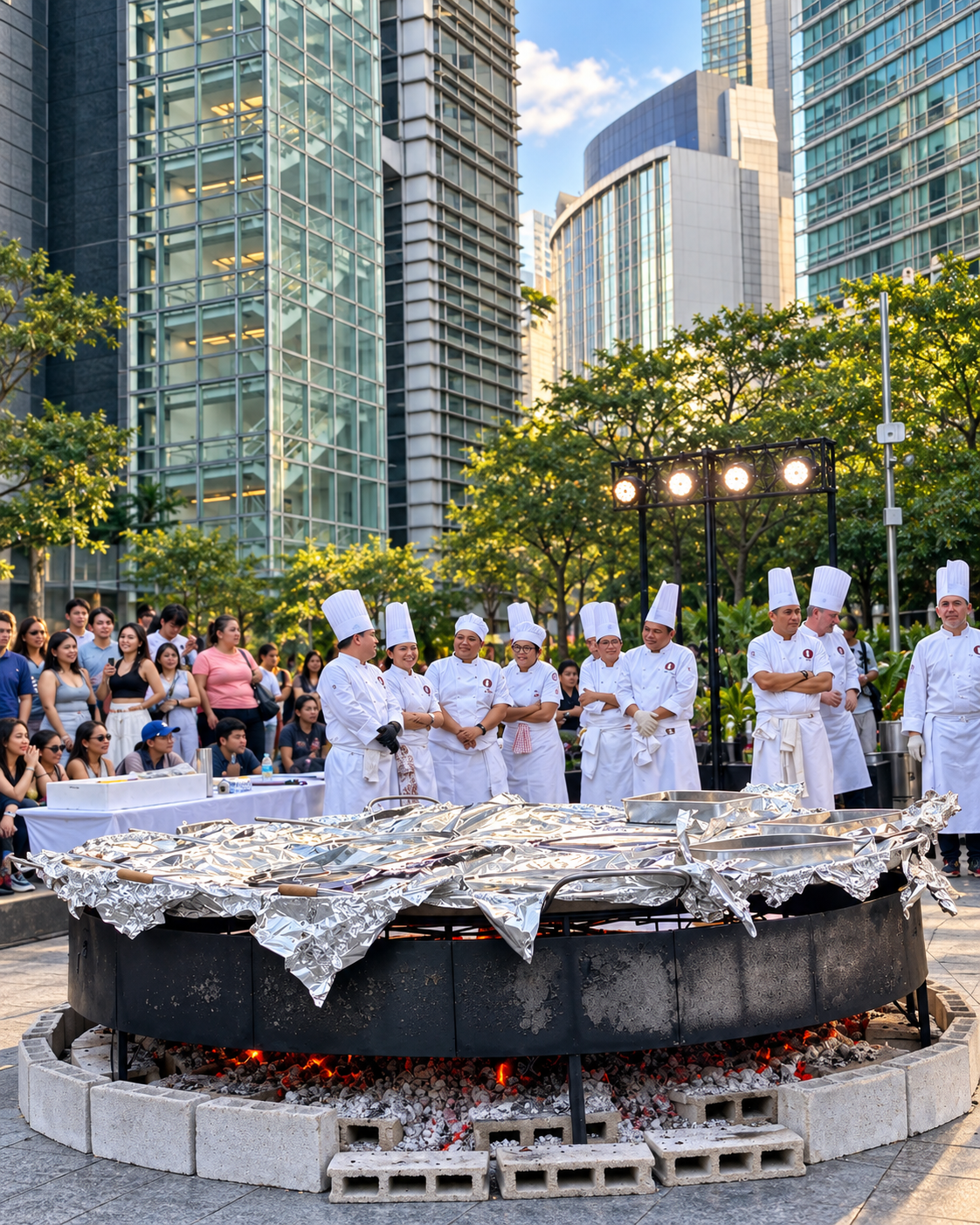
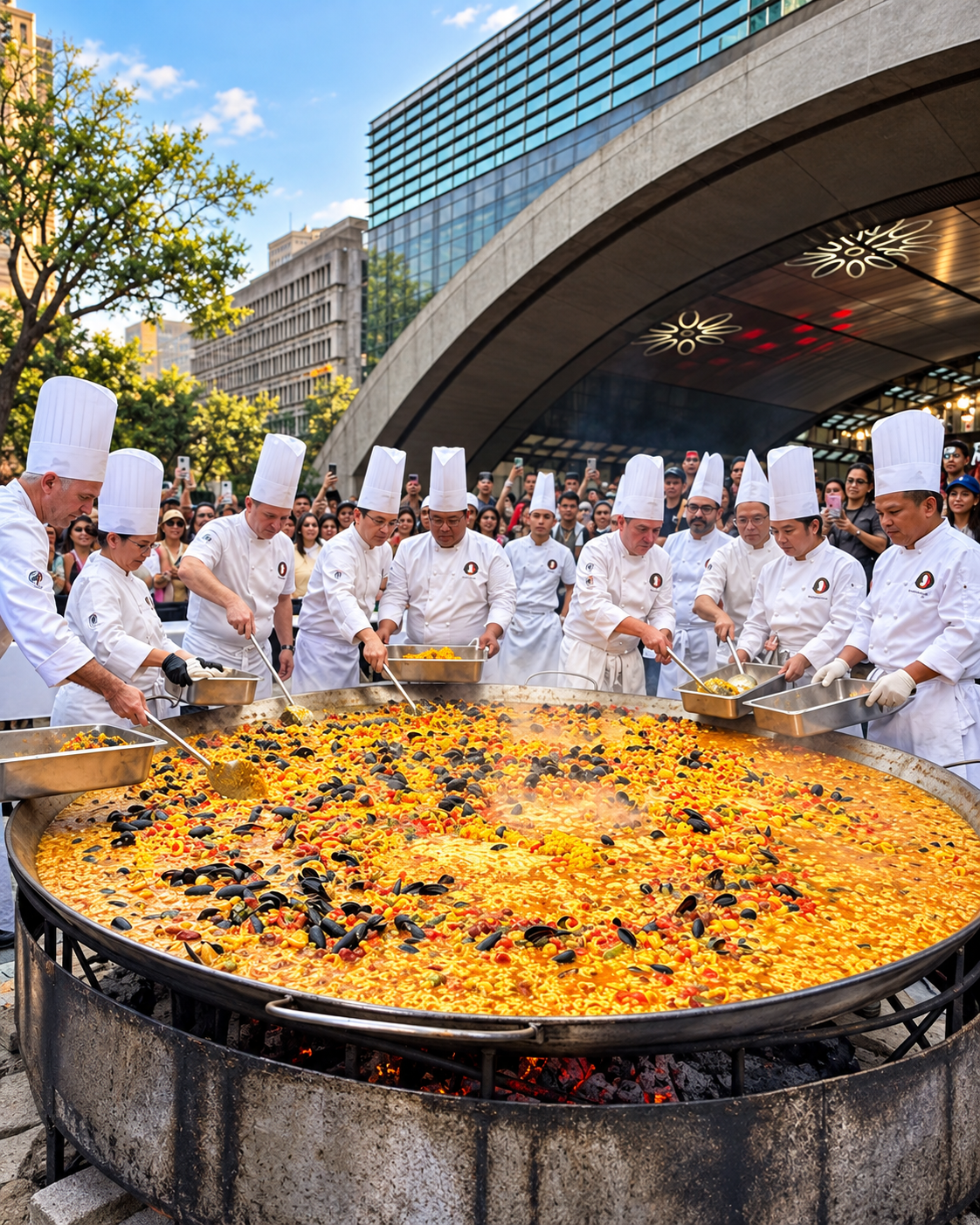
La Paella Gigante takes that tradition to a much larger scale. Chefs gather around an oversized cooking pan and work together throughout the preparation, using long utensils to manage ingredients across its broad surface.
For spectators, the cooking itself becomes part of the experience. Visitors see not only the finished dish but also the coordination, timing and teamwork required at every stage.
Spanish Food as a Cultural Connection
Food can offer an immediate way to encounter another culture. Recipes carry stories about place, family, history and the traditions that shape how communities gather around a table.
Through La Paella Gigante, Spanish cuisine moves beyond restaurants and formal dining spaces. Visitors can observe the cooking process while learning more about a dish closely associated with Spanish culinary tradition.
The open setting also changes the nature of the experience. Cooking becomes something shared with the public rather than an activity taking place behind kitchen doors.
La Paella Gigante Makati as a Community Gathering
La Paella Gigante also connects its culinary attraction with a community purpose. The activity has been associated with fundraising efforts for the Sociedad Española de Beneficencia and its charitable work.
That purpose gives the gathering significance beyond food and entertainment. Participation can support social programs while allowing visitors to experience Spanish culture in an accessible public setting.
A shared meal, in this context, carries both cultural and social meaning.
La Paella Gigante Makati and Día del Libro
La Paella Gigante is closely connected with Día del Libro, a cultural celebration centered on books, language, literature and creative exchange.
The gathering brings together readers, writers, publishers, students, families and cultural organizations. Programs may include book fairs, literary activities, performances and public presentations.
Food adds another dimension to the celebration. Books introduce ideas and stories, while cuisine offers another way to encounter heritage through taste, memory and shared tradition.
Bringing Spanish Culture into a Public Space
Instituto Cervantes de Manila plays a role in promoting Spanish language and culture in the Philippines. Its programs connect local audiences with literature, education, the arts and cultural heritage.
The wider celebration has also involved institutions such as the Embassy of Spain, Make It Makati and other cultural partners.
Public venues make these activities easier to encounter as part of everyday life. Parks and open spaces can become places for reading, performance, conversation, food and cultural exchange.
Books, Performances and Shared Experiences
Día del Libro extends beyond the traditional idea of a book fair. Literature appears alongside other forms of creative and cultural expression, giving visitors several ways to participate in the celebration.
Visitors can explore books, listen to performances and discover organizations involved in literature and culture. Families and students can also take part in activities within a relaxed outdoor environment.
La Paella Gigante becomes a natural meeting point within that setting. Its scale draws attention, while the communal nature of the preparation reflects the wider spirit of the occasion.
The Work Behind La Paella Gigante
Preparing a paella of this scale requires careful coordination. Chefs must manage ingredients, heat and timing while working around one large cooking surface.
Every member of the team has a role. Some stir the dish, while others handle ingredients, monitor portions and watch different areas of the pan.
For spectators, the preparation offers a rare look at large-scale cooking. It also reveals how much cooperation is required when a familiar recipe becomes a major public attraction.
La Paella Gigante Makati at Ayala Triangle Gardens
Ayala Triangle Gardens provides an open venue within Makati’s central business district. Offices and modern buildings surround a green public space where cultural activities can reach a broad audience.
The location creates an interesting contrast. Traditional cooking, literature and cultural programs unfold against the contemporary skyline of one of the country’s major business centers.
People working nearby can encounter the celebration alongside residents, families and visitors. Its accessibility allows cultural activities to become part of ordinary city life.
Spanish and Philippine Cultural Connections
Spain and the Philippines share centuries of history, leaving influences across language, food, religion, architecture and the arts.
Contemporary cultural gatherings offer another way to explore those connections. Visitors do not need formal knowledge of history to participate or appreciate the traditions being presented.
They may discover a book, watch a performance or observe chefs preparing a traditional Spanish dish. Experiences like these allow heritage to be encountered directly rather than understood only through historical accounts.
Readers can explore more stories about culture, people and communities through Global People Magazine.
More Than a Culinary Spectacle
The enormous cooking pan may be the most striking image of La Paella Gigante, but the gathering carries a wider story.
Food becomes a link between heritage and community. Chefs share their craft, visitors take part in the experience, and cultural organizations introduce traditions to a broader audience.
The idea reaches far beyond one country. Across cultures, food has long held an important place in celebrations, family gatherings and public occasions.
Where Food, Heritage and Community Meet
La Paella Gigante Makati shows how a traditional dish can become part of a wider cultural experience. Its scale may capture attention first, but the gathering ultimately centers on the people who prepare, share and experience it together.
Spanish cuisine, literature and cultural activities occupy the same public space, while community participation gives those traditions renewed meaning within a modern urban setting.
At Ayala Triangle Gardens, the giant paella becomes more than something to watch or eat. It becomes a shared table where food, heritage and community meet.
